
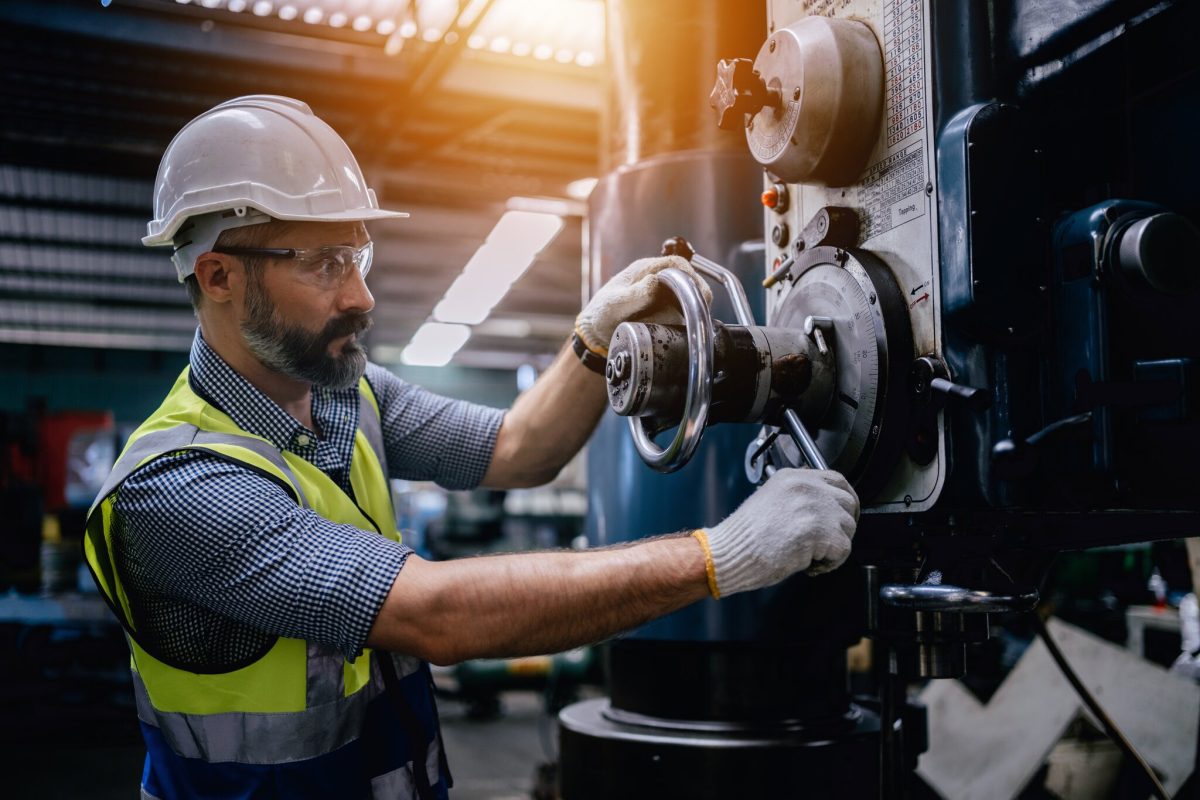
In a world where engineering drives innovation and development, the demand for experienced professionals in mechanical engineering continues to grow. Understanding how to become a Senior Mechanical Engineer is key to career advancement in Ireland, particularly in high-performing sectors like construction, manufacturing, and energy. This blog will guide you through the mechanical engineering career path, required qualifications, responsibilities, and typical salary ranges in Ireland, along with insights into training and certifications.
With that in mind, let’s look at how you can begin a career as a Senior Mechanical Engineer in Ireland.
How to Become a Senior Mechanical Engineer
Becoming a Senior Mechanical Engineer in Ireland is a structured process that usually involves obtaining relevant qualifications, gaining several years of mechanical engineering experience, and developing both technical and leadership abilities. This senior role often requires applicants to demonstrate mastery in project design, development, implementation, and team collaboration within the Irish engineering industry.
If you’re seeking clarity on senior mechanical engineer qualifications, job expectations, and career progression mechanical engineer pathways across Ireland, the following guide outlines everything you need to know.
Understanding the Senior Mechanical Engineer Industry
Mechanical engineering plays a foundational role in Irish industry across sectors such as pharmaceuticals, medtech, data centres, energy, construction, and automotive manufacturing. As infrastructural growth accelerates and sustainability becomes a prominent focus, the need for experienced, qualified engineers is increasing.
Mechanical engineer roles in Ireland are critical in designing systems, improving mechanical processes, and maintaining operational excellence within engineering projects. Senior mechanical engineers, in particular, are involved in strategic planning, compliance, innovation, and leadership.
The mechanical engineering sector is expected to remain strong in Ireland due to ongoing investment in green energy, smart infrastructure, and specialist manufacturing, making it a solid long-term career path.
Core Responsibilities of a Senior Mechanical Engineer
While responsibilities may differ based on sector, projects, and employer, the core mechanical engineer job description in Ireland typically includes:
- Leading and managing mechanical design and development functions.
- Creating and reviewing technical drawings and specifications.
- Supervising engineering teams and mentoring junior staff.
- Ensuring project designs meet Irish and EU safety and regulatory standards.
- Conducting risk assessments and quality control checks on equipment and systems.
- Collaborating with cross-functional teams including architects, electrical engineers, and project managers.
- Utilising software and digital tools such as AutoCAD, SolidWorks, and Revit, widely used in Irish engineering practices.
Understanding the mechanical engineer job description Ireland aligns with is essential for career advancement and applying effectively for roles.
Essential Soft Skills
In addition to technical expertise, the skills needed for senior mechanical engineers include a variety of interpersonal and analytical strengths:
- Leadership: Ability to lead multidisciplinary teams and deliver high-standard projects.
- Communication: Clear expression of technical information to both engineers and non-specialists.
- Problem-solving: Identifying complex mechanical issues and implementing cost-effective solutions.
- Attention to Detail: Reviewing detailed engineering specifications and ensuring design accuracy.
- Time Management: Handling multiple projects and meeting tight Irish industry deadlines.
Improving these soft skills is integral to progressing along the mechanical engineering career path.
Steps to Becoming a Senior Mechanical Engineer in Ireland
Step 1: Obtain a Level 8 degree in Mechanical Engineering or equivalent. Programmes accredited by Engineers Ireland are highly regarded.
Step 2: Gain 3–5 years of mechanical engineering experience in a real-world industry environment. Entry-level roles might include Junior Mechanical Engineer or Graduate Engineer positions.
Step 3: Strengthen your technical abilities using Irish-relevant tools (AutoCAD, Revit, SolidWorks) and stay updated on building codes, health and safety legislation, and sustainability standards in Ireland.
Step 4: Pursue Chartered Engineer (CEng) status with Engineers Ireland, which is often desirable or required at senior levels.
Step 5: Take on increasing leadership responsibilities on mechanical projects, expanding your portfolio and people management exposure.
Step 6: Apply for senior mechanical engineer roles in Ireland that match your specialisation and experiences. Prepare thoroughly for senior engineer interview questions around project outcomes, team leadership, and Irish regulations.
Salaries and Career Growth
The senior mechanical engineer salary Ireland offers reflects experience, education, and region. Here’s an overview:
- Graduate Mechanical Engineer: €30,000 – €40,000
- Mid-Level Mechanical Engineer (3–5 years): €45,000 – €55,000
- Senior Mechanical Engineer: €60,000 – €80,000
In high-demand regions such as Dublin, salaries for senior positions can exceed €85,000, especially in data centre infrastructure, life sciences, and large-scale construction projects.
Career progression mechanical engineer professionals in Ireland can look forward to further roles such as Mechanical Project Manager, Design Lead, or Engineering Director, depending on sector and ongoing development.
Courses and Certifications
To build credibility and increase job prospects as a senior mechanical engineer, Irish-recognised certifications play an essential role. These include:
- QQI Level 8 – Honours Bachelor Degree in Mechanical Engineering: The baseline requirement for most engineering roles in Ireland.
- Chartered Engineer (CEng) from Engineers Ireland: A recognised standard of competence and professionalism.
- SOLAS Safe Pass: Mandatory for working on construction sites in Ireland.
- Manual Handling & Health & Safety Certifications: Often required on project sites.
These qualifications can enhance your readiness for handling senior engineer interview questions and reinforce your commitment to Irish industry standards.
If you would like to find out more about certification and the courses available to you, just get in touch or complete the form below.